For many, Easter marks the start of Spring, rebirth, sunshine, bunnies and of course, chocolate! However, in Catholic countries like Spain, Easter is viewed with a very different sentiment.
Semana Santa, in English, Holy week, is the week leading up to Jesus’ death as well as his resurrection. It is a week which is felt deeply through mourning, penitence and celebration.
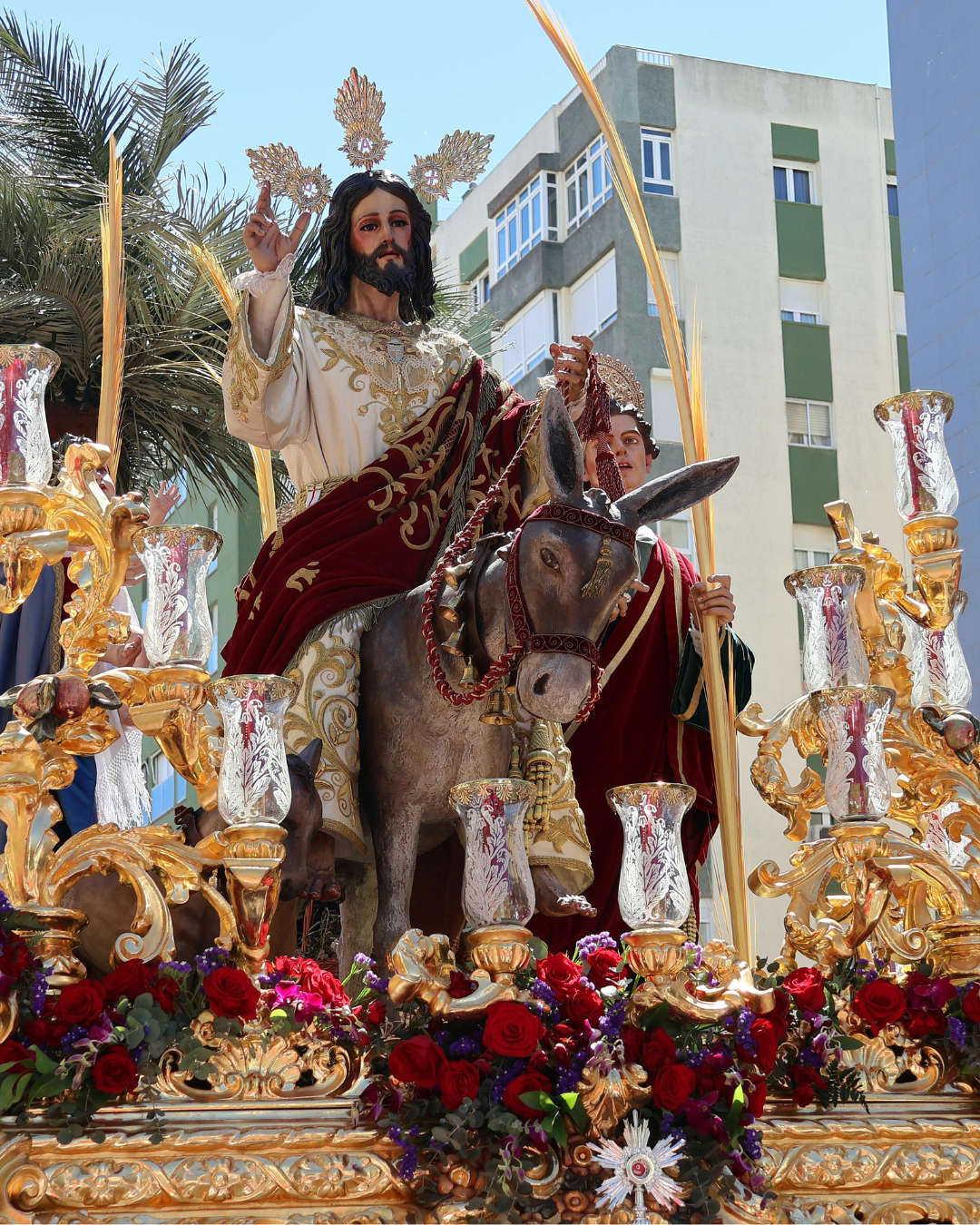
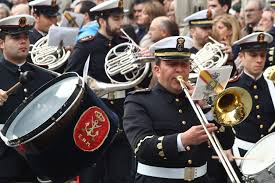
It begins on Palm Sunday, marking Jesus’ arrival to Jerusalem. All cities, big or small, will start off with a procession. This will usually include Jesus and the Virgin Mary as well as a municipal band playing municipal ‘marchas’, characterized by its solemn tone, almost military-like beat, and deep drums; or saetas, a more flamenco style song, typical in Andalucia.
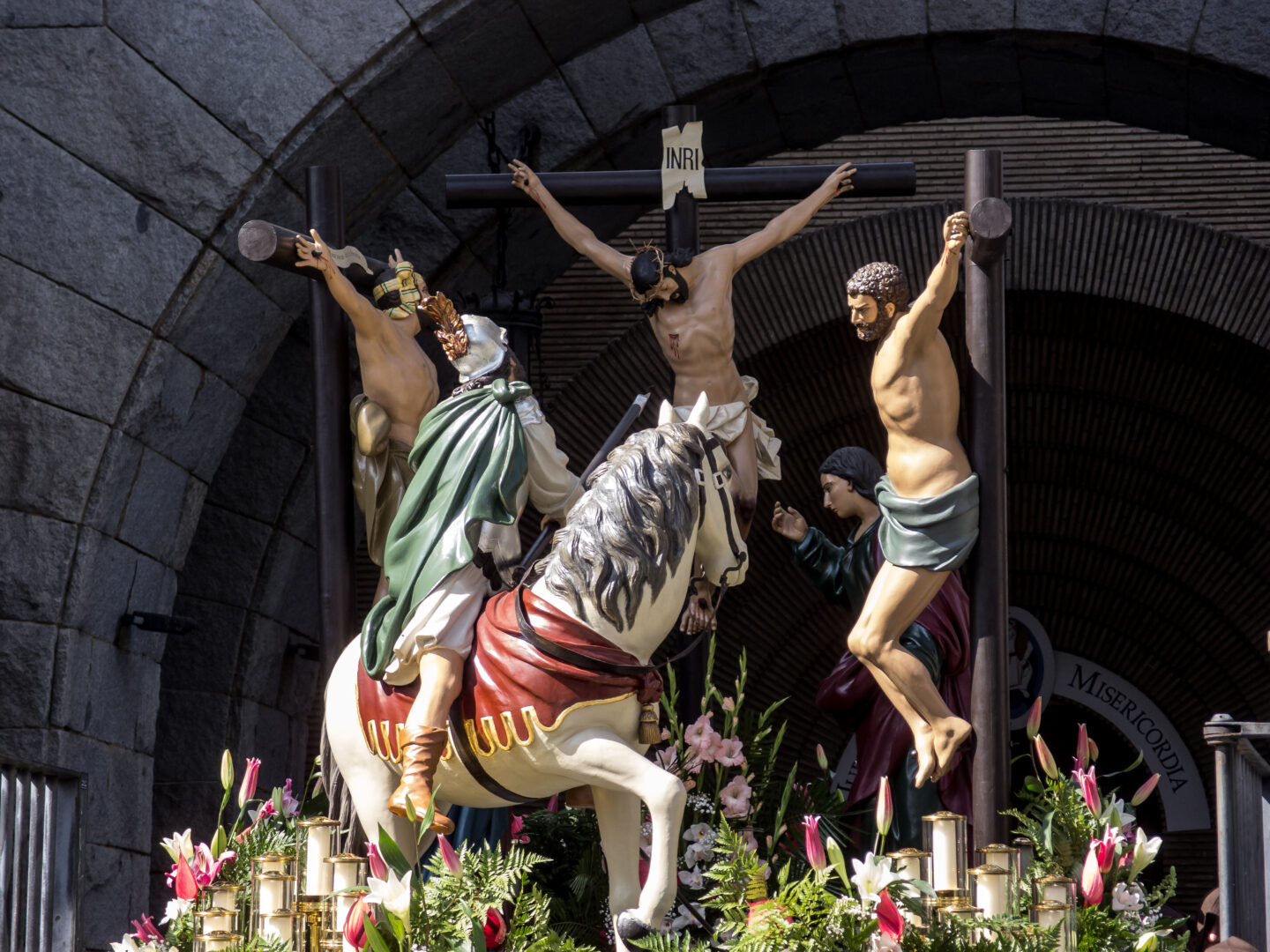
This leads onto Monday, Tuesday and Wednesday which include processions (it may vary depending on your area as some smaller places may not have one everyday) all leading up to Jesus’ betrayal by Judas. The important processions begin on Jueves Santo, or Easter Thursday, representing Jesus’ last supper with his disciples. Friday is the saddest day of the week, which features Jesus Chirst on a cross, after being killed. The procession this day is somber, mourning the death of Christ.
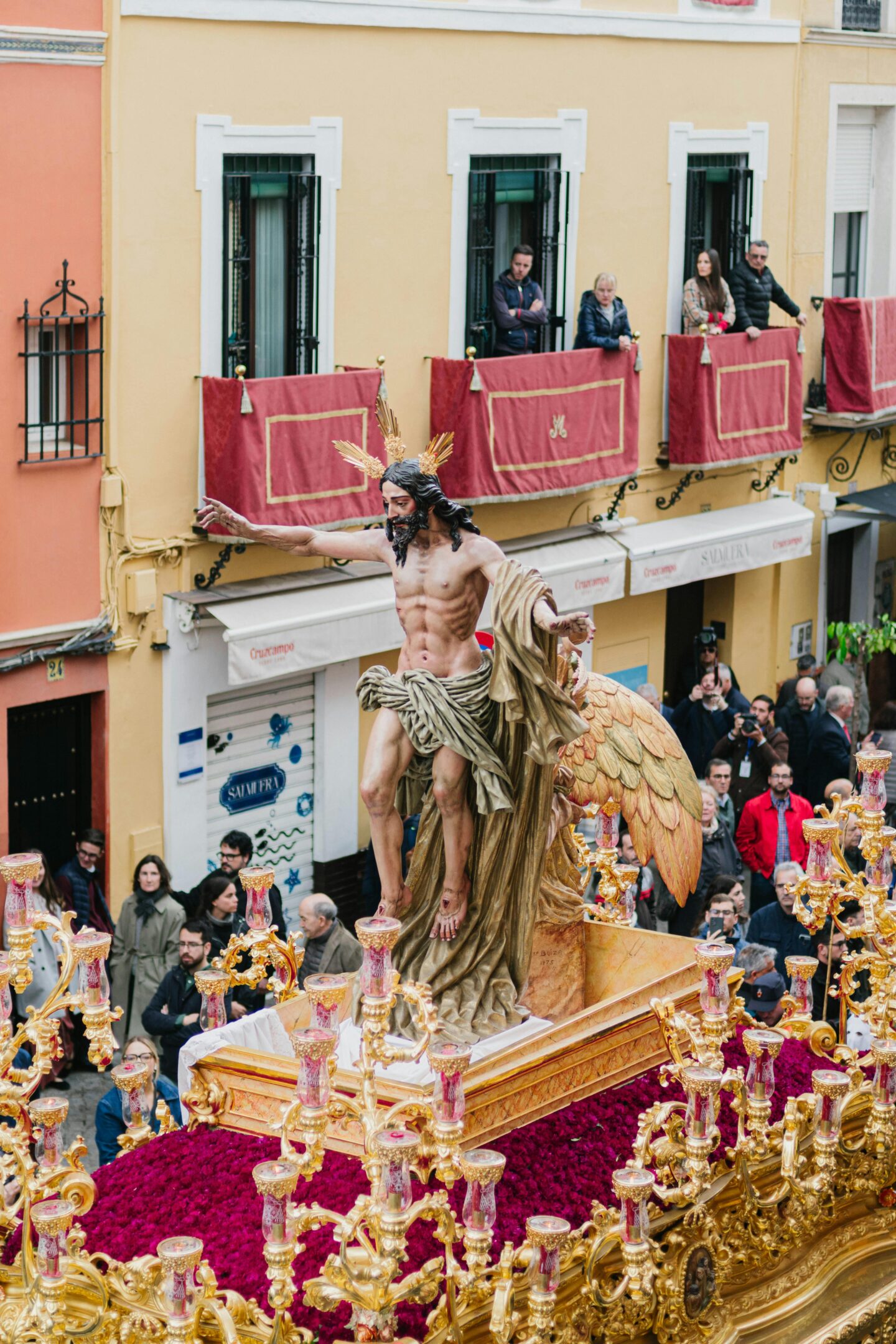
Saturday is mainly marked by the Virgin Mary mourning the death of her son. And Finally, the Sunday of his Resurrection, this procession is a lot more upbeat, happy and celebrates the miracle it is that Jesus has risen!
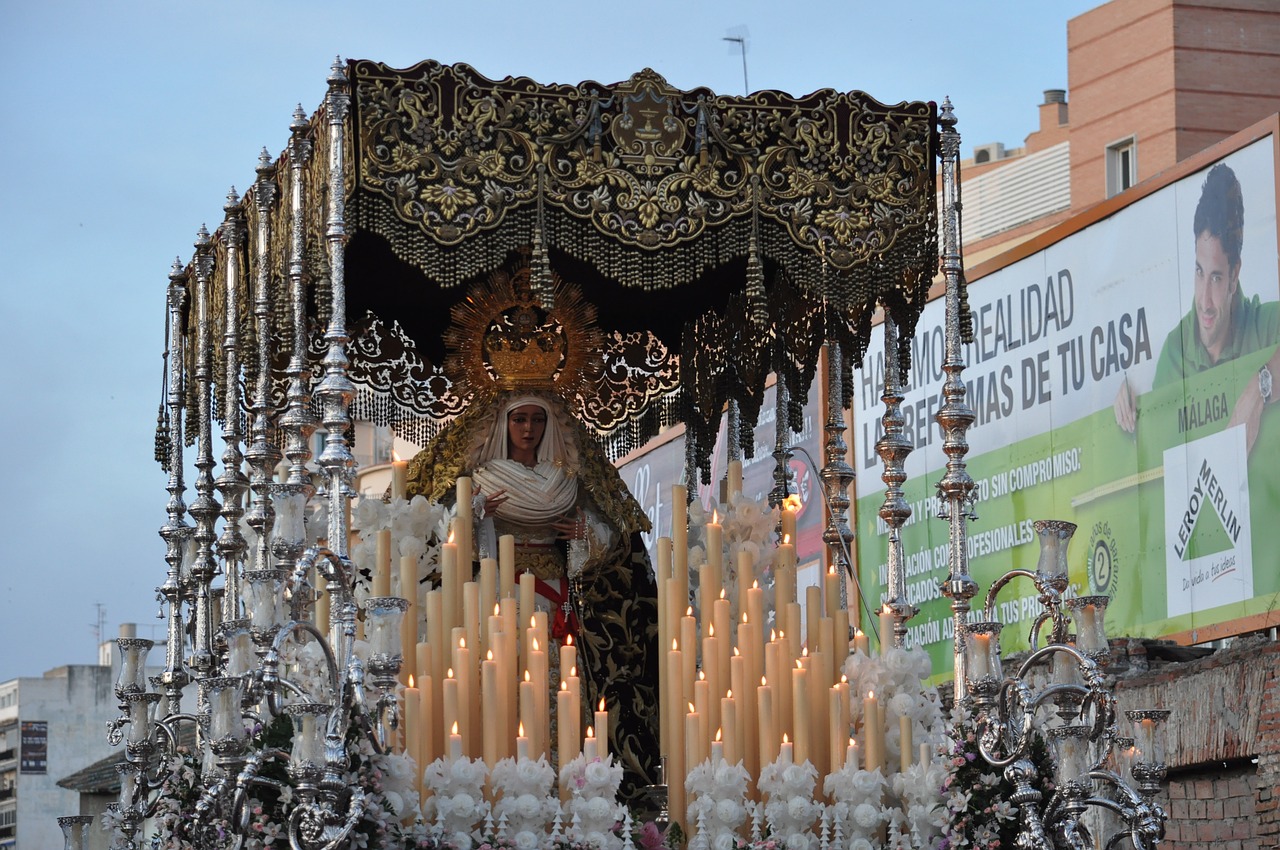
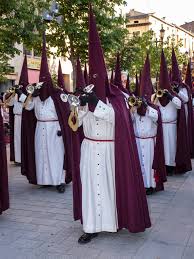
The procession is made up of thrones which can weigh up to 5700 kg. Men and women, called nazarenos, carry the throne on their shoulders, as an act of respect and penitence. The nazarenos on some occasions are dressed as capirotes, wearing a robe, mask and pointy cone which symbolises anonymity, penitence and closeness to Christ. The processions often include children dressed up, incense and bands. The thrones always include Jesus and the Virgin Mary, who is often even a larger part of the procession than Christ, as well as others, such as San Juan, Maria Magdalena and other Saints.
This week of processions takes a lot of preparation. The people who organize, build and decorate the thrones are from different Hermandades and Cofradías (Brotherhoods and Confraternities) of the area and they each have a day to go out and show off their hard work and penitence. Families are members of Hermandades for decades and each generation will eventually have the honour of carrying the throne of their Brotherhood.
Overall, it is an honour and deeply rooted tradition in Spain which many follow very loyally. It also keeps artisanry and art alive as the outfits and thrones are made with such intricate detailing. Semana Santa attracts around 15 million tourists each year, both nationally and internationally with over 61% of locals, young and old, still attending all of the processions.
If you are interested in attending one of these processions, check your ayuntamiento (town hall) for timetables and events. Remember, this course of events isn’t a tourist attraction, it is a cultural, religious and historical tradition to be treated with respect and admiration.
We chatted more in detail on our latest programme.
