A magnificent combination of art, tradition and excitement – la Feria de Abril is arguably the most popular fair in Spain and if you have the privilege of going, we can assure you will not be disappointed, if it is not on your bucket list…it should be!
La Feria de Sevilla or Abril, is celebrated around 2 weeks after Semana Santa in April and lasts a whole week- from Monday to Sunday and located in the ‘Real de la Feria’ . It is a tradition which dates back to 1847, and is the epitome of Andalucia culture and tradition. It is, in essence, a massive party, full of dancing (sevillanas), traditional clothes and dresses, singing, socialising in casetas and gastronomy.
In this article, Good Morning Spain, is going to guide you through every aspect of La Feria de Abril so you are ready for Sevilla, or any other feria you may go to.
Las Casetas
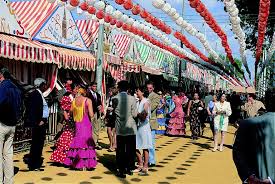
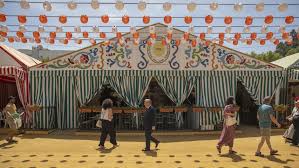
Las casetas are a very important part of la Feria. In Seville there are over 1000 of them all around the precinct. They are marquees or establishments of all sizes where people go to drink, socialise, and very importantly, dance. Often you will find live music, bars, DJs and even food stalls within the casetas. In the Feria de Sevilla, the casetas are in its majority private establishments, which you can only enter with invitation or by being a member. They are owned by local families and groups of people to ensure a more private celebration and often require fees to be part of it and have access. However, there are some open to the public. These are usually bigger and full of people as, if you do not know anyone with a private caseta, you will have to stay in the public ones. There is a ‘Caseta municipal’ which is owned by the town hall, which is open to everyone.
Daytime vs Nighttime
La Feria de Abril is not only for those who love a good night out. It opens at midday and closes at around 6 am in the morning.
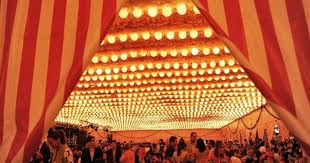
During daytime (12pm to 7pm) it is a more relaxed family friendly environment, Many people enter on horses or horse and cart and walk around dressed up while they chat, eating and drinking in the sunshine. However, as soon as 8pm approaches, the nightlife begins. It is full of loud music, dancing and a lot more drinking.
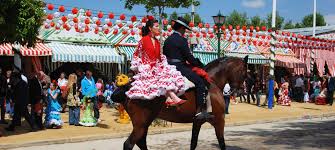
Traditional attire and outfits
Women and men alike take great care in making their outfits perfect every year. Women wear ‘trajes de sevillanas’ ( flamenco dresses) and men usually wear suits, as traditional attire is less common.
The famous ‘vestidos de sevillana o flamenca’ are long dresses which are usually tight at the torso and extend towards the bottom with ‘volantes’ ( ruffles) so that when you turn around, it creates a ruffled, dramatic effect. Necklines and sleeves can vary, however in the Feria de Sevilla it is more common to wear a dress with long sleeves, which also end in large ruffles.
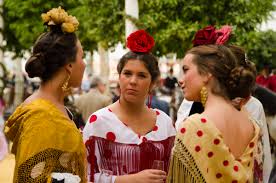
Accessories include a ‘mantón’ which is a triangular shawl, worn in different ways over the dress around your shoulders or torso which combines with the dress. A flower ( a carnation or a rose), on top of your head with a tight bun, often accompanied by a ‘peineta’.
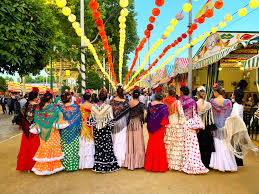
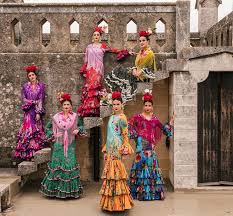
Other must-haves are large decorative earrings, and the traditional show, espadrilles, which ensure comfort as you will be doing a lot of walking and dancing.
Flamenco dresses and mantones are expensive clothing. Prices can be between 90 euros and 200 euros (low-cost or second hand), around 250 to around 450 euros for a medium quality or ready-to-wear new dress ( common amongst locals) and up to 1000 euros for a designer, top-quality dress. To rent one for a day it can cost between 90 to 130 euros however you can often get a special package if renting for a few days. You can find these shops in traditional flamenco shops.
It is not mandatory to wear a flamenco dress however it is necessary to dress formally, with dresses and suits as it is a formal and cultural event. It is not appreciated if you do not make an effort and look too casual.
Singing and Dancing
Music and dancing are the heart of the Feria! The songs are Sevillanas, a festive flamenco style played on Spanish guitar with a specific four-part rhythm. The dance is also called Las Sevillanas, performed in pairs in four distinct stages. Each part (the first, second, third, and fourth) has its own choreography. The dramatic hand movements and elegant turns are what make this dance so iconic and beautiful.
Food and Drink
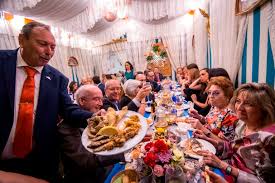
Traditional foods are fried fish, serrano ham, cheese and tapas. As Linda highlighted in our last episode, there are also some healthier snacks you will find, which are altramuces ( lupin beans) and coconut. The traditional drink is undoubtedly ‘rebuijito’, a cold white wine spritzer which you will see a lot of when you go.
Fun Fair
The Ferias also always have a massive theme park area. This is popular amongst adults and children as there are rides for all age groups. This will also go on until around 5 or 6 in the morning.
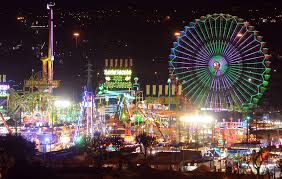
Specifically, the Feria de Abril starts off on Monday with ‘El pescaito’ and the ‘Alumbrao’, the turning on of the lights, and ends on the Sunday with a firework display.
Every town and city of Andalucia will have a local feria on different dates and is similar to the Feria de Sevilla (maybe on a lower scale), which is incredibly important to the locals of the area. No matter where you are, check when the local feria is, as you are bound to enjoy it, no matter what age.
Watch us chat all about it on our latest programme:
