
Have you noticed you have been charged yet again for something? And this time, it’s for your rubbish! Here is everything you need to know about Spain’s new rubbish tax.
Europe, over the years, has become stricter on recycling laws and various countries have implemented rules, attempting to boost recycling. One of them is ‘whoever pollutes pays’. These rules have reached Spain and have started to be put in place during 2025 and 2026, although every townhall (ayuntamiento) can implement this in different ways, so depending on where you live, requirements and quantity can differ. The idea is that whoever doesn’t recycle, pays the price for it. Unlike other European countries, which have a high amount of people in houses rather than flats, with private bins, it’s hard to control who recycles and who doesn’t. This is due to big bins being grouped together for a whole community as well as a high amount of people who live in apartments, making it even harder.
Townhalls can charge depending on the number of people in your house, how many bedrooms you have in your home or even how much you spend on water. The charge can be between 80 euros and 200 euros a year. The tax money will go towards household rubbish collection, recycling services, transport and waste treatment and recycling center costs.
This decision has not come without its controversy and complaints with many believing it is unfair as it is hard to determine who recycles and who doesn’t and too expensive.
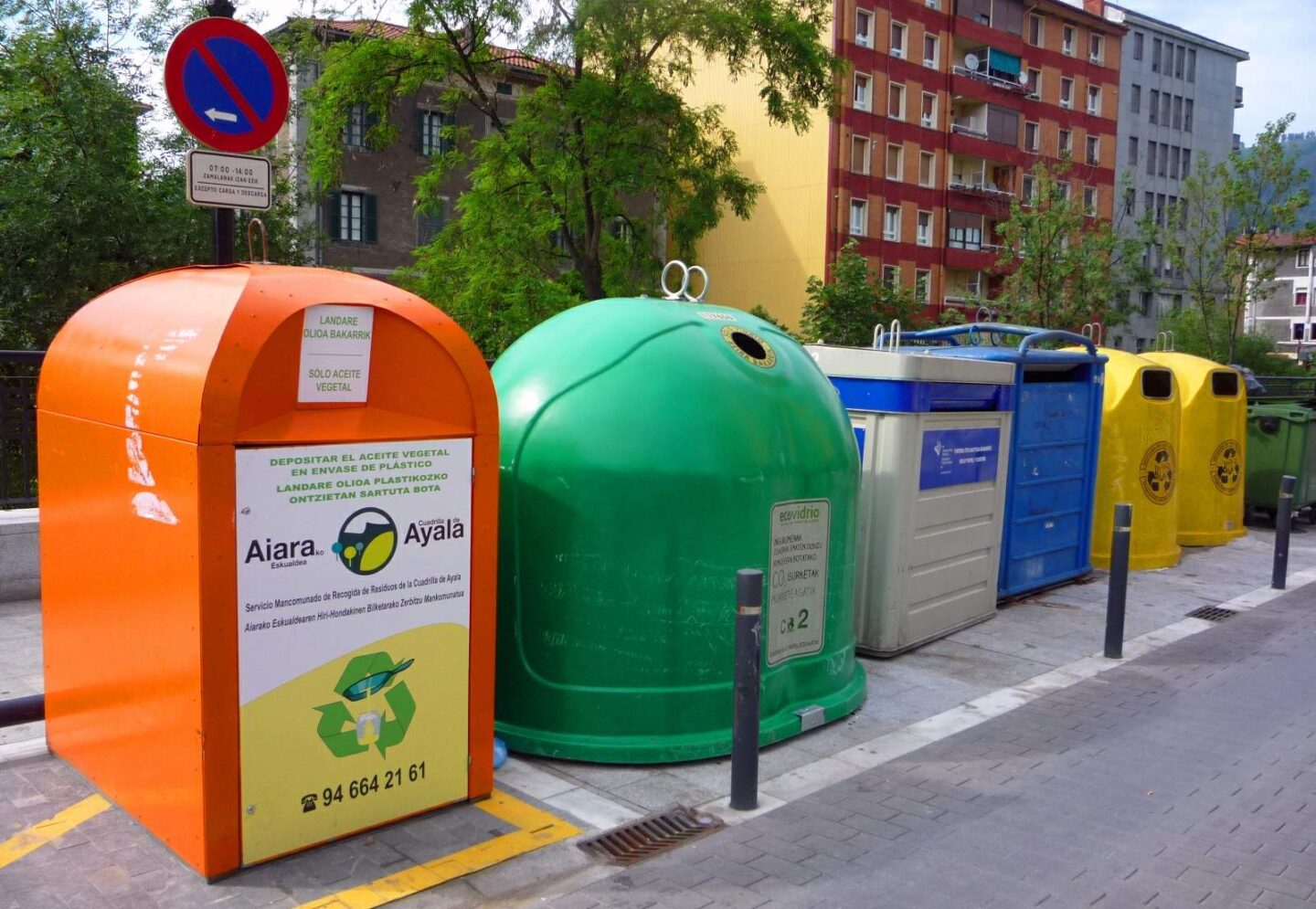
Let us remind you how recycling in Spain works:
BLUE BIN: paper and cardboard
YELLOW BIN: plastics, cans and tins
GREEN BIN: glass
ORANGE BIN: oil ( in plastic bottles)
GREY/BLACK BIN: the rest
Additionally, there are special bins for clothes and shoes and ‘puntos limpios’ which are areas designated to depositing items which do not go in normal bins due to its size or toxins.
If you recycle well done! And if you don’t… maybe this is a sign! Watch our latest episode for more information on recycling and rubbish in Spain.
