
Bullfighting, known as “corrida de toros” in Spain, has a long and storied history deeply intertwined with the country’s culture and traditions. It has been both celebrated and criticized for centuries.
Bullfighting’s roots can be traced back thousands of years to ancient civilizations in the Mediterranean and the Middle East. The ancient Minoans, Greeks, and Romans all had some form of bull-related rituals and games. However, the modern corrida de toros as it is known today began to take shape in Spain during the Middle Ages. The first recorded bullfight as we know it today took place in the 18th century in Ronda, a city in the Andalusian region of Spain. It was a far cry from the elaborate and ritualistic events seen today, resembling more of a contest of skills between matadors rather than a full-fledged spectacle. Because a lot of people were very poor, they decided to make it an event for everyone to watch and after to give the meat to the people.
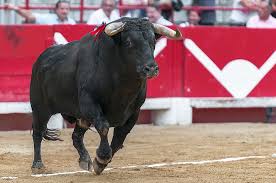
All the bulls that are used in the bullfights, lived their first 5 years in a big field where they can eat fresh grass and become the strongest healthiest version of themselves. By the 19th century, bullfighting had evolved into a highly ritualized and formalized event. The corrida de toros typically consists of three parts: the “tercio de varas” (lances), the “tercio de banderillas” (banderillas), and the “tercio de muerte” (death). The bullfight culminates with the matador attempting to kill the bull with a well-placed sword thrust.
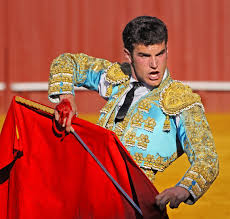
Matadors, often considered the stars of the show, undergo rigorous training and apprenticeships to perfect their art. Bulls used in bullfighting are selectively bred for their aggression and strength. The spectacle has become an iconic representation of Spanish culture and tradition, attracting tourists from around the world. While bullfighting has a dedicated following in Spain and other countries, it has also faced significant controversy and challenges in recent years. Critics argue that it is a cruel and inhumane practice that inflicts unnecessary suffering on animals. Animal rights activists have staged protests, and several regions in Spain have banned or restricted bullfighting.
In 2013, Cataluña became the first autonomous community in Spain to ban bullfighting, citing animal welfare concerns and a decline in public interest. This decision sparked a nationwide debate about the future of bullfighting in Spain. Supporters argue that it is an essential cultural tradition and an art form that should be preserved, while opponents maintain that it should be abolished due to its cruelty. The future of bullfighting in Spain remains uncertain. While it continues to thrive in some regions, the practice faces challenges on multiple fronts. Changing public attitudes towards animal welfare and evolving societal norms have led to a decline in attendance at bullfights. Some proponents of bullfighting are exploring ways to adapt the tradition to modern sensibilities, emphasizing the artistic and cultural aspects while minimizing harm to animals. Others, however, believe that bullfighting’s time has passed and that Spain should shift its focus toward more humane and sustainable forms of entertainment.
Read more: What is Spain really known for?
Bullfighting in Spain has a rich and complex history, rooted in tradition and culture. Its evolution from ancient rituals to a formalized spectacle has made it an iconic symbol of Spanish identity. However, bullfighting faces mounting challenges in the modern era, with growing concerns about animal welfare and changing societal values. The ongoing debate about the future of bullfighting in Spain reflects a broader global conversation about the ethics of our treatment of animals and the preservation of cultural traditions.
