
It is common knowledge we should not judge a person or situation based on what we can see, as there could be a lot more going on behind the scenes and you never know what someone could be struggling with below the surface. There are certain items we can use or learn to spot that bring light and awareness to invisible disabilities.
In 2016, the sunflower lanyard was introduced in London Gatwick airport as a non-invasive and subtle way to bring light to people’s invisible disabilities who may need a little more help ,compassion and patience in certain stressful situations.
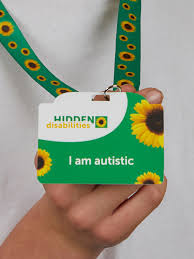
It widely spread across the whole of the UK, becoming a nationally recognized symbol on public transport, shops and most establishments. It has even spread to different countries, and staff who have international experience may recognize it as well.
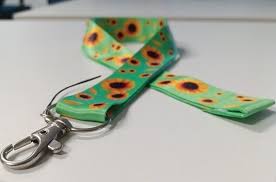
However, the lanyard does not automatically give you a right of way, benefits above others or 100% guaranteed or immediate assistance, it is an awareness signal that will alert staff and communicate to fellow passengers.
This leads us to Spain. The sunflower lanyard is not recognized by Spanish authorities, or in Spanish establishments or airports. It is recommended to wear one if you usually do or when traveling to Spain, as staff with experience abroad may recognize it. However, if you need assistance or attention, you must apply for the AENA Hidden Disabilities Badge. This badge was created in 2023 for AENA airports (AENA is the company that runs most of Spain’s public airports) that tells staff directly you may need extra help or assistance for an improved airport experience.

Likewise to the lanyard, it is not proof of disability or necessarily a complete right of way, however, it does speak directly to staff as it is directly linked to the airport, unlike the sunflower lanyard which is more like a signal. To apply for the AENA badge you must do so directly through their website.
Another aspect to both of these items, is that it’s not only a symbol to staff, but also to fellow travelers. When you spot any of these, be aware, that person may need more patience, to sit down, more compassion or just your understanding.
Some of the disabilities or problems that are common among people who wear the lanyard or badge are:
- Neurodevelopmental disorder: autism spectrum, learning disabilities, ADHD…
- Mental health conditions: Anxiety, PTSD…
- Sensory and communication needs, such as sensory issues, visual and hearing impairment..
- Medical conditions that may not be visible: diabetes, epilepsy, chronic pain…
Or even just people who become overwhelmed by long queues, loud noises, unfamiliarity of the area or stressful situations.
Remember, both the lanyard and the badge are not graded by severity and are not a diagnosis, they are both respectful ways of pointing out someone may need extra help and understanding.
We chatted about this on our recent show:
