One of the most important poets and dramatists in Spain’s recent history, Federico García Lorca not only revolutionised literature but also marked a before and after in LGBTQIA+ in Spain.
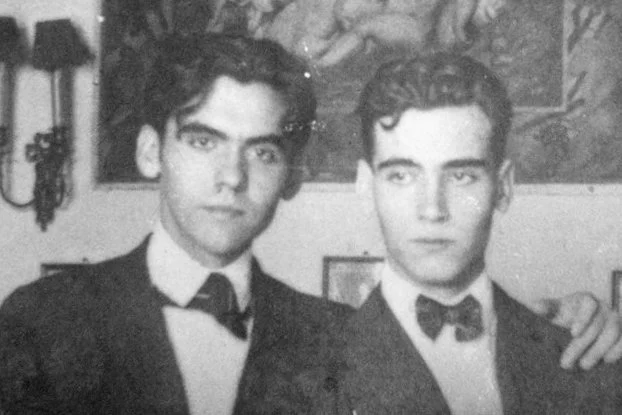
Federico was a Spanish poet who was born in 1898 and a key member of the famous ´Generación del 27′. While Lorca grew up, he was known by his friends as a musician, not so much as a writer. It is widely acknowledged that Lorca was gay, although as during his lifetime, it was highly stigmatized and penalised to talk about homosexuality, this was mostly reflected in his work and poetry. In his younger years, he grew a special bond with artist Salvador Dalí, making it difficult to confirm whether it was just a friendship or more of deep rooted romance.
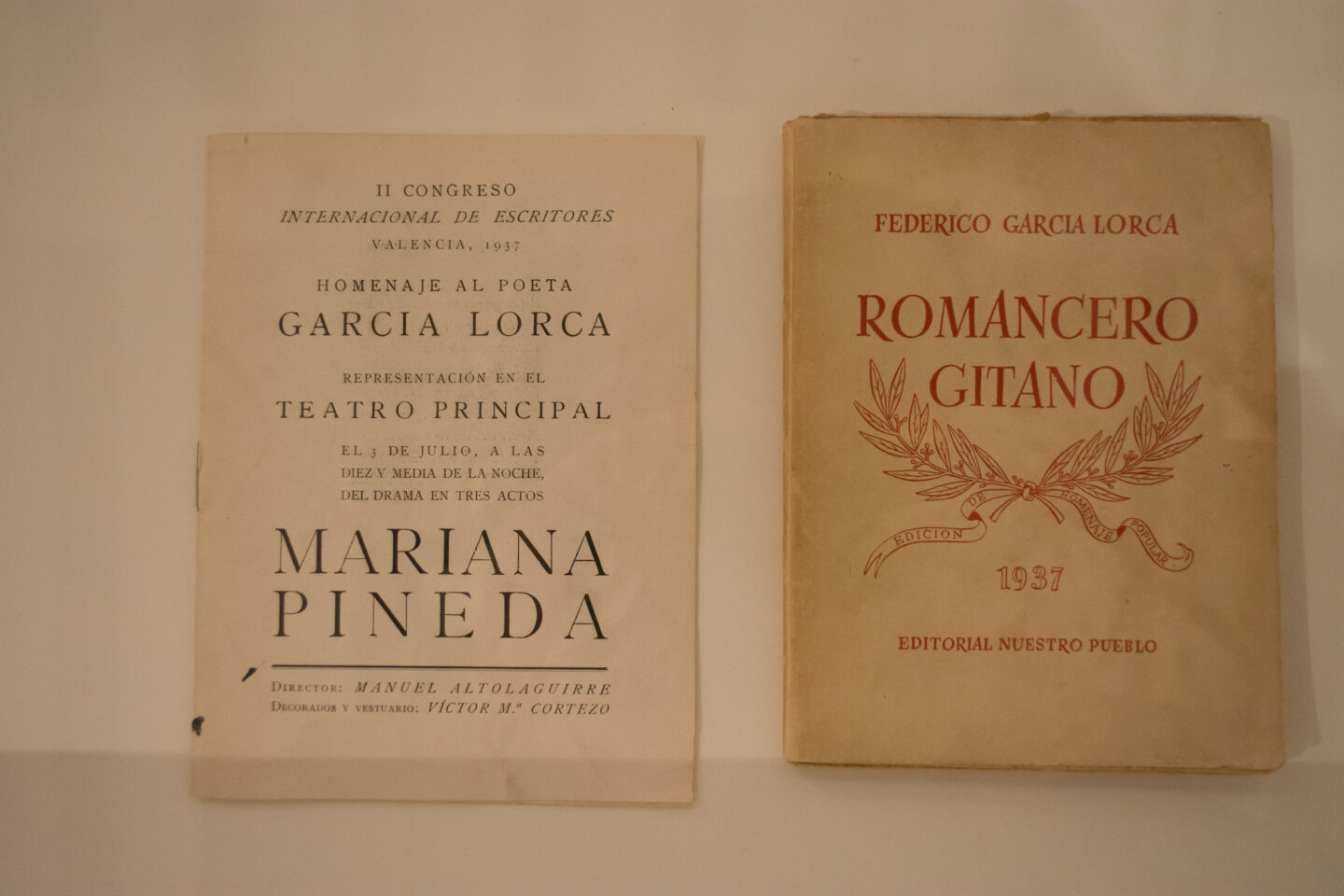
Lorca’s work has been studied both within Spain and internationally throughout the years. His most famous poetries are ´Romancero Gitano´, a folkloric poem dedicated to his roots in the province of Granada and ́Poeta en Nueva York´, a piece of work created through his time living in New York.
Despite the depression in Spain during the Spanish Civil War and the dictatorship of Francisco Franco, Lorca did not shy away from difficult topics and his work has often been said to be ahead of its time, often centering his work around ´dangerous´conversations, like women’s rights, oppression and social convention and individual freedom versus societal expectations. His most famous plays, Bodas de Sangre, Yerma, La casa de Bernarda Alba, are all centred around love, sacrifice and political freedom as well as, a woman as a main character, with her drama being the focus of the show, rather than making them into secondary characters.
Lorca’s death will forever be remembered. During Lorca´s final years, he was aware he was being searched by the authorities during a very strict and hard dictatorship. He went back to Granada with his family, until one horrendous day, he disappeared and killed. His body has never been found. Although labelled originally a ´mystery´by authorities, it has since been revealed he was condemned to be assassinated for his beliefs, work and ´practising homosexuality´.
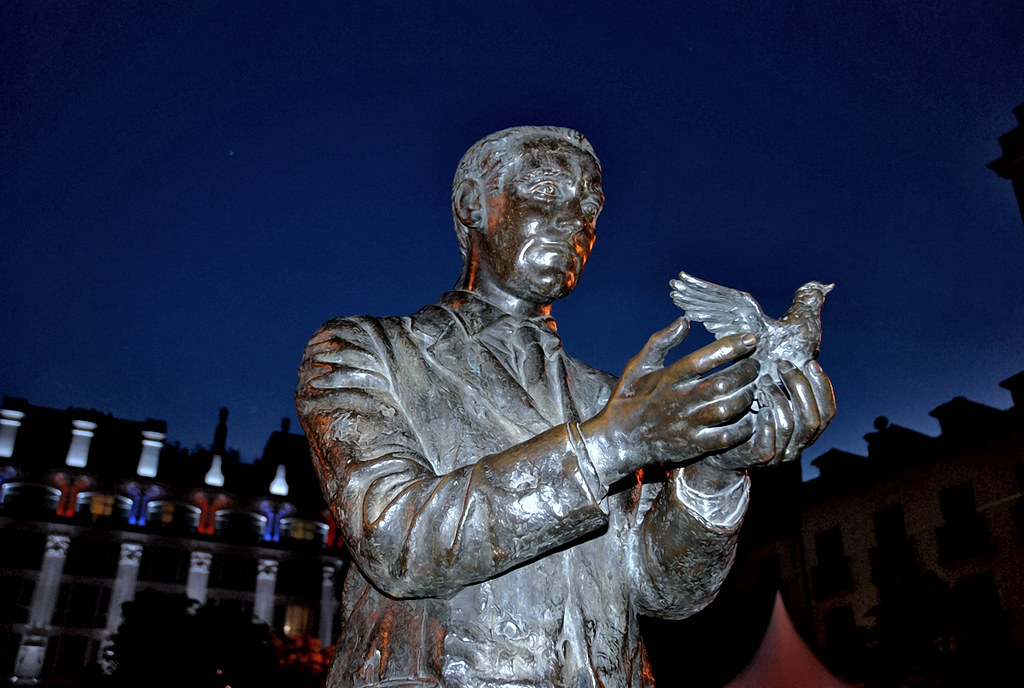
Lorca´s legacy will continue to be celebrated in Spain as a symbol of freedom of expression and a pioneer in 20th century literature. His drama´s are still being performed and his poems studied. Schools, library’s, study centres, streets and avenues are named after him in his honour.
We chatted about him on our recent show:
